
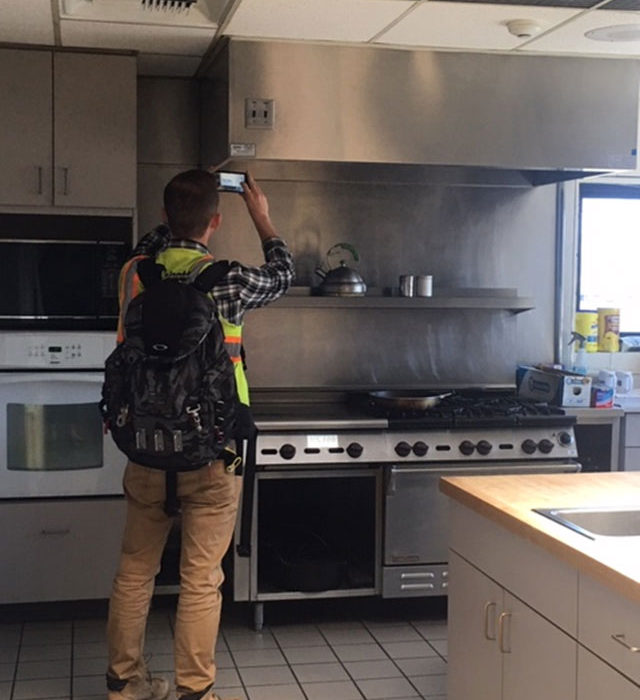
Building electrification is the transition of appliances that use fossil fuels (like water heaters, space heaters, cooktops, etc…) to electric alternatives. It is a critical component in achieving a low carbon future and, when combined with a decarbonized grid, can reduce or even eliminate building sector emissions.
What are the benefits of Building Electrification?
Building Electrification provides various economic, social and environmental benefits, including:
- Reduction in carbon emissions
- Increase in appliance efficiency
- Reduced construction costs
- Reduced annual energy costs
- Reduced indoor and outdoor air pollution
- Reduced risk of carbon monoxide poisoning
- Reduced chances of explosions or fire
- Promotion of renewable energy sources
Advancements in heat pump technology have increased the efficiency of electric heat pumps, making them more efficient than traditional gas powered heat pumps, therefore reducing annual energy costs. In new construction projects, eliminating natural gas appliances and infrastructure can greatly reduce overall construction costs. An electric heat pump can also provide heating, cooling, and sometimes water heating within a single system, so a contractor only needs to purchase a single system instead of a separate furnace, air conditioning system and water heater.
Electrified buildings also result in reduced air pollution, both indoor and outdoor. Traditional gas stoves, furnaces, water heaters, and clothes dryers produce nitrogen dioxide, formaldehyde and carbon monoxide, causing poor indoor air quality and increasing the risk of carbon monoxide poisoning. Building electrification eliminates the risk of accidental carbon monoxide poisoning from appliances and reduces other harmful pollutants within buildings.
Buildings without natural gas also have significantly reduced chances of explosions and fire. Argenta Hall at the University of Nevada, Reno was severely damaged by a natural gas explosion in July when an initial small explosion in the building’s boiler room severed a natural gas line. For about twelve minutes natural gas filled the building and was followed by a significant explosion. Fortunately there were only eight injuries and the event could have proved more deadly had evacuations not taken place prior to the second explosion. Argenta Hall, as well as Nye Hall will be closed for up to two years for repairs and total cost of repairs is unknown. Had Argenta Hall been initially designed with electric appliances for space heating, water heating, and cooking, the second explosion would not have occurred and damage would be minimal.
What does this mean for the City of Reno?
In our community, residential and commercial buildings account for about 66 percent of total emissions. Building electrification has the potential to greatly reduce or eliminate emissions, making a significant change in the city’s contributions to global warming and reducing the rate of warming in Reno.
Reno is a perfect candidate for building electrification because of the availability of renewable energy generation. Nevada is ranked #1 for solar energy potential, according to the Energy Information Administration. In 2018, solar photovoltaic (PV) electricity generation supplied 12% of the state’s utility-scale power and hydroelectric power generated about 5%. View more about renewable energy generation in Nevada.
Building electrification provides tremendous environmental, economic and social benefits. Additionally, recent advancements in technology have made building electrification economically competitive. The potential cost savings associated with electrified systems will be a key motivator in the transition to building electrification. As renewable energy sources increase, building electrification proves to be an important step toward an emission free future.
To learn more about participating with the City of Reno and other leaders in our community, check out ReEnergize Reno.
Blog Contributors: Ben Fritz, Student at the University of Nevada, Reno and Kaitlyn Duvall, Intern for the City of Reno and Student at the University of Nevada, Reno. University of Nevada, Reno Community Based Research Program Mentor: Suzanne Linfante, City Energy Advisor.